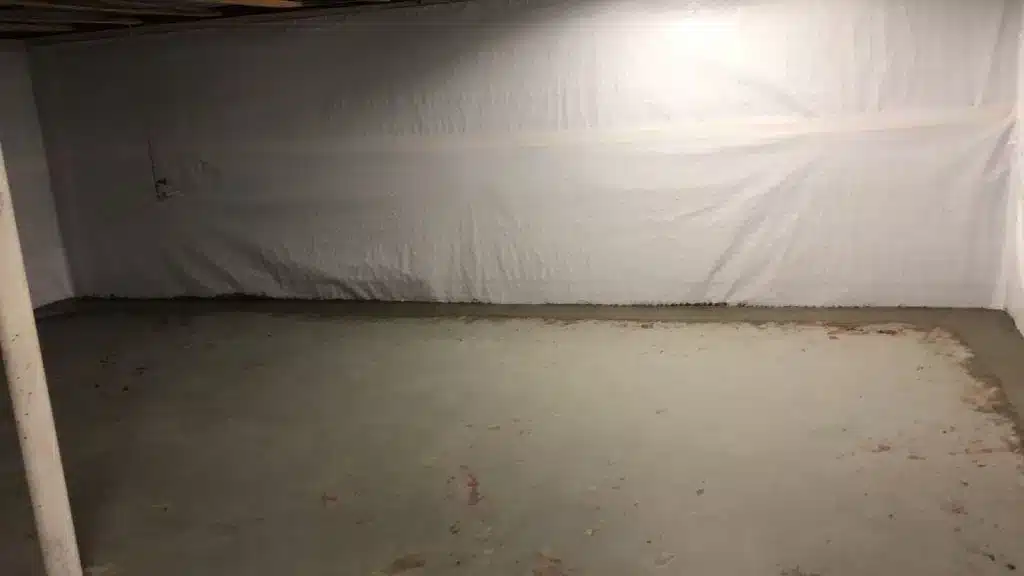
Kansas City’s weather is harsh on homes, and your home can continue to be affected after a storm passes. It’s important to understand the effect a storm can have long after the rain stops. Every heavy rainfall puts stress on your basement walls, and that pressure slowly affects every weak spot in your foundation. This guide explains the importance of basement waterproofing and why Kansas City homeowners should take action before the next storm hits.
Why Basements Are At Risk During Storms
Storm season creates the perfect conditions for water to infiltrate your basement. Here’s why your basement becomes vulnerable:
1. Heavy Rainfall Makes Kansas City Prone to Flash Flooding
Spring and summer storms deliver intense rainfall that can saturate the ground within hours. Once the ground is saturated, any additional water must go somewhere. Since your basement is below ground level, water naturally collects around your foundation and looks for ways inside.
2. Soil Saturation and Hydrostatic Pressure
Kansas City’s clay-heavy soil absorbs water, expands, and holds onto water for long periods. As the ground becomes waterlogged, it swells and pushes against your foundation walls. In fact, it will actually force moisture through concrete pores, wall-floor joints, and any other weak spots.
3. Foundation Cracks and Vulnerable Entry Points
Your foundation naturally develops hairline cracks as your house settles. Window wells collect water and channel it directly toward basement openings. In addition, gaps around utility pipes and electrical lines become open doors for water.
4. Impact On Home Safety and Property Value
Within just one or two days, damp conditions trigger mold growth. Many buyers won’t even look at homes with basement issues. They either walk away completely or offer 10-25% less than what your home is worth.
Common Signs Your Kansas City Basement Needs Waterproofing
Sometimes the warning signs of moisture issues are obvious, but other times they are easy to miss. Here’s what you should watch out for:
Water Stains or Damp Walls
If you see dark marks on your basement walls, it means water has gotten inside and left stains. You’ll usually see these along the bottom of walls where the pressure from saturated soil is strongest. Even without visible puddles, dampness on your walls confirms that moisture is getting through your foundation regularly.
Musty Odors or Mold Growth
A stale, musty smell in your basement tells you there’s too much humidity, which creates ideal conditions for mold to grow. Moisture naturally seeps through concrete from the surrounding ground, especially during Kansas City’s rainy weather.
Standing Water or Persistent Moisture
Puddles mean your foundation has failed to keep groundwater outside. Besides the obvious flooding issue, standing water creates electrocution risks near outlets and appliances, so shut off the power before investigating. Constant moisture also causes wood rot, rust, and other damage, signaling that basement waterproofing ahead of heavy storms is urgently needed.
Cracks in the Foundation or Floor
Cracks let water seep in during heavy storms. Horizontal cracks are especially serious because they signal dangerous pressure from saturated soil pushing inward. Vertical cracks typically come from settling, while floor cracks suggest the ground underneath is shifting.
Sump Pump Failures or Overflows
If your sump pump runs nonstop or won’t turn on at all, something is wrong. Grinding noises, a pump that won’t activate, or units that cycle endlessly all indicate you need repairs or replacement soon.
Benefits of Waterproofing a Basement Before Storms
Here’s what you gain by protecting your basement from water before storms:
Prevents Flooding and Water Damage
Waterproofing blocks water during heavy rainstorms. It stops flooding and prevents new cracks from forming in your foundation. You can safely store furniture, valuable belongings, and sentimental items in your basement without worrying about them being ruined.
Reduces Mold, Mildew, and Health Risks
A dry basement means no mold and mildew. This protects your family from respiratory infections, worsened asthma, coughing, wheezing, nasal congestion, sore throats, sneezing, and other health issues that mold exposure causes.
Protects Foundation and Structural Integrity
Waterproofing protects your foundation from cracks, bowing walls, and deterioration that can weaken your home’s structure. It also prevents the soil around your foundation from being eroded, which can cause uneven settling, sloped floors, ceiling cracks, and even wall collapse.
Preserves Home Value and Reduces Repair Costs
A waterproofed basement makes your home more valuable and appealing to buyers who want to avoid properties with water problems. Fixing issues early costs way less than paying for emergency cleanup, mold removal, and expensive foundation repairs after storm damage.
Enhances Home Comfort and Air Quality
You can turn your waterproofed basement into a bedroom, home office, workout space, or storage area. Waterproofing helps maintain steady temperatures throughout your home, eliminates that damp and musty smell, and keeps humidity at healthy levels so everyone breathes cleaner air.
Basement Waterproofing Methods
Kansas City homeowners have several reliable waterproofing options depending on their basement’s needs and budget.
Interior Solutions
Interior basement waterproofing solutions give you multiple options for controlling moisture and water problems. You can install sump pumps, add dehumidifiers, and apply waterproof coatings to your walls and floors. These methods are usually less expensive because no exterior excavation is required. The downside is that they handle water that’s already inside instead of stopping it from getting in, so they work best when combined with other protective measures.
Exterior Solutions
Exterior waterproofing involves excavating around your home and applying waterproof coatings or drain tile around the exterior walls. This forms a barrier between the soil and your foundation that stops water before it can enter. The process takes more time and investment because excavation work is involved, and French drains may not be as effective without a complete interior waterproofing system in place.
Sump Pumps and Backup Systems
A sump pump sits in a pit at your basement’s lowest point and automatically removes water before it can spread across your floor. If you live in flood-prone areas where groundwater levels rise during heavy rainfall, you probably need one. A backup battery keeps it running during storms when power outages are most common.
French Drains and Proper Grading
French drains carry water away from your foundation. Grading your yard so it slopes away from your house helps these drains guide water in the right direction.
Choosing the Right Solution Based on Basement Type
Here’s what you need to know when planning your basement waterproofing project.
Schedule Inspections and Repairs Early
Booking inspections when the weather is dry helps professionals accurately identify water entry points. Early intervention prevents minor cracks from becoming serious structural damage during storms.
Assess Vulnerabilities and Risk Factors
Kansas City’s clay soil swells when wet and shrinks when dry, imposing continuous pressure on your walls. Older properties might not have good drainage systems, while finished basements can hide moisture behind walls, where unfinished spaces reveal problems immediately.
Work With Licensed Waterproofing Contractors
Qualified waterproofing contractors recognize how local soil and climate affect basements. They use professional materials, provide solid warranties, and understand local building rules. Their expertise ensures the right solution gets applied the first time.
Implement Emergency Preparedness Measures For Heavy Rain
Standard insurance usually doesn’t cover flood damage, so check your policy and seek additional protection. Move valuables to higher areas, know how to shut off your utilities, and have emergency supplies ready.
Maintenance Tips After Waterproofing
Once your waterproofing system is installed, regular upkeep ensures it continues protecting your home effectively.
Regular Inspections For Leaks or Cracks
Check your basement every few months and look for any new cracks, damp spots, staining, or white powder on surfaces that show water is finding its way inside.
Keeping Gutters and Downspouts Clear
Clean gutters at least twice each year so water doesn’t overflow and pool around your foundation. Make sure your downspouts push water at least six feet away from the house.
Monitoring Sump Pumps and Drainage Systems
Pour a bucket of water into your sump pit each month to confirm the pump turns on and drains it quickly. Check that your interior drainage channels are clear of dirt and debris. Also, verify that water flows freely through your exterior discharge pipes and gutters during the rain.
Seasonal Checks to Ensure Continued Protection
Each season brings different maintenance needs based on weather patterns:
- Fall: Make sure to clean your gutters thoroughly; verify the ground around your foundation slopes outward; test your sump pump before cold weather arrives, and seal any visible gaps around windows or pipes.
- Winter: Check your pump occasionally, as melting snow can saturate the soil, and inspect for new cracks caused by freezing and thawing cycles.
- Spring: Retest your sump pump system, remove any sediment from the pit, and look for new cracks.
- Summer: Schedule professional inspections, ensure your dehumidifier works properly, and address small cracks or worn-out sealant.
Key Points
Every storm that hits Kansas City puts pressure on your foundation and tests how well your basement can handle water. Waiting to waterproof just gives small problems time to turn into expensive structural damage. KC Waterproofing and Foundation Repair helps Kansas City homeowners who need their basements defended against the unpredictable weather patterns our region faces each year. Contact us today for an inspection so we can stop water damage before the next storm hits.
Frequently Asked Questions (FAQs)
Why is basement waterproofing important in Kansas City?
Kansas City receives heavy rainfall all year, and the area’s clay soil doesn’t drain water effectively. This forces moisture directly into your basement, causing mold growth and structural problems. Waterproofing protects your home’s stability and prevents costly repairs later on.
What are some common signs of water damage in basements?
You’ll usually smell that damp, musty odor first. Other warning signs include mold, wet patches, foundation cracks, bubbling paint, or white powder forming on concrete.
When is the best time to waterproof a basement?
Spring gives you the chance to catch leaks from melting snow before the rainy summer months begin. Fall is equally good because you can work during dry weather and be ready before winter.
How do contractors assess basement flooding risk?
We provide a free inspection where our licensed technician checks your basement for cracks, stains, mold, and other damage. We discuss your basement’s history and create a custom waterproofing plan with a detailed quote.
Can basement waterproofing prevent structural damage over time?
Yes, waterproofing stops water from penetrating your foundation and causing cracks or deterioration. Professional installation protects your home’s structural integrity, increases property value, and avoids future repair costs.
References and Citations
- Simms, D. How to get rid of the musty smell in your basement. Angi, 2025. https://www.angi.com/articles/how-to-get-rid-of-musty-smell-in-basement.htm
- Simms, D. What is basement waterproofing and how does it work? Angi, 2025. https://www.angi.com/articles/what-expect-basement-waterproofing.htm