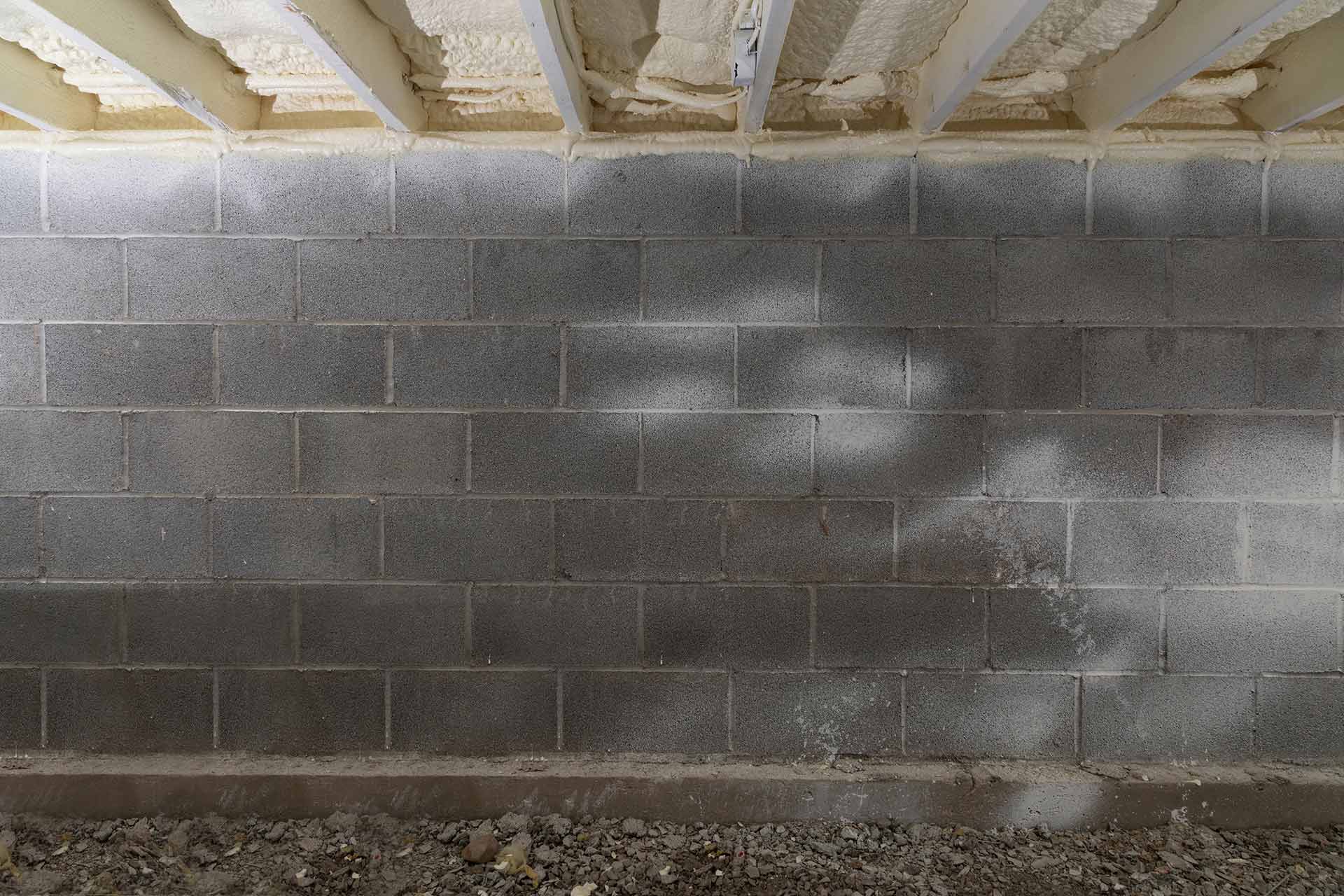
Most homeowners overlook the fact that their crawl space directly influences the quality of the air in their homes. The air in the crawl space doesn’t just stay there; it travels to other parts of your home. That means if the air in your crawl space is filled with mold spores or other contaminants, those harmful substances can also infiltrate your living spaces, exposing you and your family to poor quality air. Encapsulation is the best way to deal with this issue and restore your indoor air.
What Is Crawl Space Encapsulation?
Crawl space encapsulation is the process of sealing off the entire crawl space from the inside to prevent outside elements, such as air and moisture, from entering. The encapsulation process involves installing vapor barriers over the walls and floors of the crawl space. This method is often combined with the installation of a dehumidifier and a sump pump to maintain a dry environment.
How Poor Crawl Space Conditions Affect Indoor Air Quality
Moisture Accumulation and Mold Growth
During damp weather, humidity levels in most crawl spaces can exceed 70%. The exposed ground below the crawl space also contributes to moisture accumulation. If your crawl space is not sealed off, moisture accumulates, creating a favorable environment for mold growth. This releases mold spores into the air, which can circulate throughout your home through the HVAC system.
Dust, Pollen, and Allergens Entering The Home
An unsealed crawl space allows outdoor contaminants, like dust, pollen, and allergens, into your living space and continues to build up over time. Because of the stack effect, air from the crawl space is constantly pulled upward through your home, bringing allergens with it. When this air circulates through your living spaces, it exposes you to dust, pollen, and allergens.
How Crawl Space Encapsulation Improves Indoor Air Quality
Reduces Moisture and Humidity Levels
Encapsulation involves using a heavy-duty vapor barrier to cover the crawl space walls and floors. This prevents ground moisture from evaporating into your crawl space. The vents and gaps are also sealed to prevent the entry of humid air from outside.
Prevents Mold and Mildew Formation
Mold needs moisture to grow. Studies show that keeping indoor relative humidity levels below 60% (ideally between 30% and 50%) reduces mold and mildew growth. Encapsulation supports this by limiting moisture where mold would otherwise thrive.
Blocks The Entry of Dust, Pollen, and Allergens
The vents or gaps in your crawl space act as an entry point for outdoor dust, pollen, and allergens. With encapsulation, you create a physical barrier between your crawl space and the outside environment. Sealing everything off prevents seasonal allergens from entering your home, keeping your indoor air clean and healthy.
Seals Out Pests and Rodents
Pests and rodents can enter through openings in your crawl space. Encapsulations include sealing entry points around vents, plumbing, wiring, and the foundation walls. This helps keep pests and rodents out.
Improves HVAC Efficiency
Humidity from your crawl space can rise into your home, contributing to excess indoor moisture and reduced air quality. Your HVAC system works harder to maintain comfort, using more energy in the process. Encapsulations stabilize conditions below your home, reducing HVAC strain and improving energy efficiency.
Increased Comfort and Reduced Odors
The musty smell coming from your crawl space is probably caused by the MVOCs (Microbial Volatile Organic Compounds) that are produced when mold and bacteria break down wood and other organic materials in your crawl space. Encapsulations eliminate the moisture these organisms need to thrive. By reducing crawl space moisture, you improve indoor comfort and eliminate unpleasant odors.
Steps Involved in Proper Crawl Space Encapsulation
Inspection and Assessment Of Existing Conditions
A professional team will inspect your crawl space to identify specific problems before beginning the encapsulation process. They’ll check for standing water, cracks, mold, humidity, and pests, and will also examine the condition of wood framing and the foundation. Any mold or structural issues must be resolved before encapsulation can begin.
Cleaning and Mold Remediation If Necessary
All debris, standing water, and rotting materials should be fully removed. If the damage due to mold is severe, your crawl space may require mold remediation. This may include removing mold-damaged insulation or wood and applying antimicrobial treatments to discourage future growth.
Installing Vapor Barriers and Insulation
Professionals install heavy-gauge polyurethane sheets across the entire crawl space floor and walls. Seams are overlapped by at least 12 inches and sealed with industry-grade adhesive for an airtight bond. Once sealed, the vapor barrier is secured to the walls and floor using foundation pins.
Sealing Vents, Gaps, and Openings
All vents, leaks, cracks, or gaps in your crawl space are permanently sealed to create a complete barrier against the exterior environment. Professionals may use foam board inserts to seal vents, gaps, and openings.
Optional Dehumidifiers
Dehumidifiers are optional, but combining a dehumidifier with encapsulation can offer long-term protection against moisture in your crawl space. This is especially important for homes in humid regions. Dehumidifiers help maintain a suitable humidity level (ideally below 50%) regardless of the weather conditions outside.
How to Maintain Your Encapsulated Crawl Space
Regular Inspections For Moisture Or Damage
Schedule a professional crawl space inspection every 6 to 12 months to check for moisture or damage. Homeowners should also perform occasional visual checks to catch early signs of wear or damage.
Keeping Vapor Barriers Intact
It’s important to protect the vapor barrier installed in your crawl space from damage. Anyone entering the crawl space should step carefully to avoid damaging the sealed barrier. Avoid dragging heavy, sharp objects across the floor, as it may tear the vapor barrier. If storing items in the crawl space, place foam board or another protective layer underneath to prevent punctures.
Monitoring Humidity Levels
Install a digital hygrometer in the crawl space to monitor humidity levels. This allows you to track changes over time and spot potential issues early. If levels rise above 55%, it could indicate a problem with your vapor barrier or dehumidifier and should be checked by a professional.
Why Is Professional Crawl Space Encapsulation Important?
Licensed professionals ensure the encapsulation process is done right the first time while avoiding costly mistakes that can come with DIY solutions. They can also diagnose underlying crawl space issues and apply long-term solutions using industry-grade materials. Licensed contractors have specialized equipment for assessing crawl space conditions and securely sealing vapor barriers, making the entire process faster and more reliable.
What to Do If You’re Worried About Indoor Air Quality
Crawl space encapsulation is one of the most effective ways to improve your home’s indoor air quality. It works by sealing off your crawl space from outdoor air, moisture, and allergens. Beyond cleaner air, it can also lead to lower utility costs and stronger structural performance. If you are dealing with compromised indoor air quality, it’s a good idea to investigate potential issues in your crawl space. Call KC Waterproofing today to schedule a free inspection.
Frequently Asked Questions (FAQs)
Will encapsulation increase my energy efficiency?
Yes. Encapsulation reduces temperature swings by sealing the space below your home, which puts less strain on your HVAC system and improves energy efficiency.
How often should an encapsulated crawl space be inspected?
Schedule a professional inspection at least once a year to keep your encapsulation system working as it should.
Can pests still enter after a crawl space is encapsulated?
Pests shouldn’t be able to enter a properly encapsulated crawl space. That’s why it’s important to have all gaps sealed correctly by trained professionals.
Can encapsulation reduce allergy symptoms in the home?
Yes. By sealing off mold spores, dust, and pollen at the source, encapsulation helps reduce airborne allergens and improve indoor air quality.
Is a dehumidifier necessary after encapsulation?
While not always required, adding a dehumidifier offers added protection by keeping humidity levels in check year-round.
Can encapsulation prevent structural damage from moisture?
Yes. Encapsulation helps protect structural wood elements like joists and beams from rot caused by excess moisture.
Reference
- “Mold Course Chapter 2: Why and Where Mold Grows.” EPA, 2025 https://www.epa.gov/mold/mold-course-chapter-2